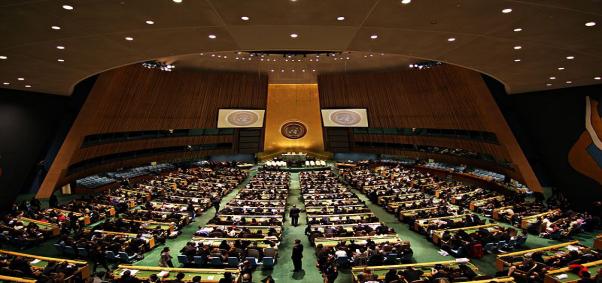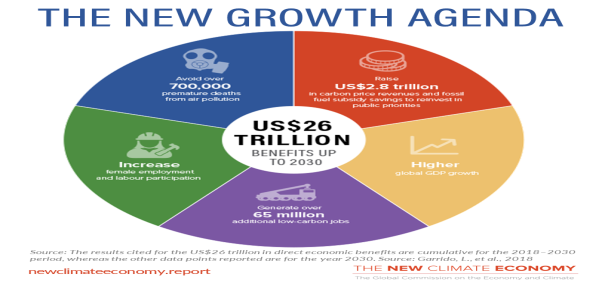
Momentum for a low-carbon economy is building, but much more needs to be done. International partnerships can help catalyse the economic growth and emissions reduction to get us there. The Global Commission makes 10 key recommendations in which partnerships can help deliver better growth and a better climate.
Downloads
Title
Size
Action
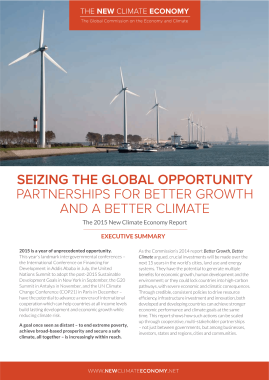
Seizing the Global Opportunity: Partnerships for Better Growth and a Better Climate – Executive Summary
671.88 KB
NCE 2015 Resumen Ejecutivo
1.2 MB
Menangkap Peluang Global: Kemitraan Untuk Pertumbuhan Dan Iklim Yang Lebih Baik – Laporan Ekonomi Iklim Baru 2015
459.69 KB
Title
Size
Action
Seizing the Global Opportunity: Partnerships for Better Growth and a Better Climate.
5.38 MB
 Seizing the Global Opportunity: Partnerships for Better Growth and a Better Climate.
Menangkap Peluang Global: Kemitraan Untuk Pertumbuhan Dan Iklim Yang Lebih Baik – Laporan Ekonomi Iklim Baru 2015
6.21 MB
Research Programme
Country
Publication Type








 The New